 English
 French
 German
 Italian

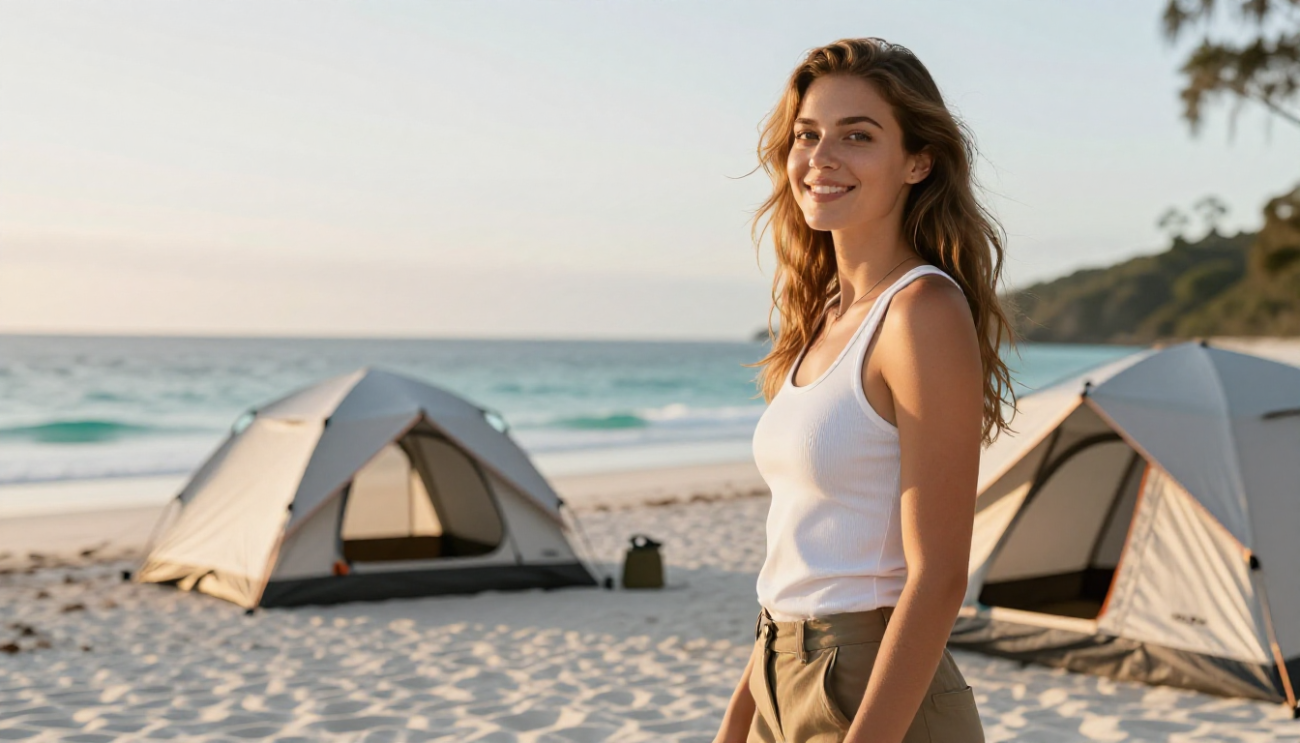
Camping Shade Shelters For Australian Trips: Tarps, Awnings, Gazebos And What Actually Matters
Quick note: this is practical Australian camping information, not medical or emergency-service advice. Check local weather, wind exposure, park rules and site conditions before you leave, and change the setup or the trip early if the conditions no longer suit your shelter.
As an Amazon Associate I earn from qualifying purchases.
Shade gear gets sold like a comfort upgrade, but on many Australian trips it is closer to basic camp function. If the sitting area, food box, water containers and setup jobs all stay in direct sun, the whole camp feels harder than it needs to. That does not mean everyone needs the biggest gazebo on the market. It means your shelter should match the trip, the wind, the vehicle space and the amount of work you are actually willing to do on arrival.
This guide is for campers, road trippers, family groups and 4WD travellers trying to choose between tarps, awnings, freestanding shade shelters and simple add-on bits like poles and weights. It covers who each option suits, what to check before buying, common mistakes, wind and UV reality in Australia, and when the sensible answer is a smaller or simpler shelter. If you want to scan the category first, compare camping shade shelters on Amazon Australia.
SunSmart says that when the UV index reaches 3 or more, you should cover up from UV, and it specifically tells people to check the UV level before heading outdoors. That matters for buying shade gear because a campsite setup that looks fine in a quick product photo can still leave the table, chairs or cooking area exposed once the sun angle changes. You are not just buying roof area. You are buying usable shade through the part of the day when camp jobs and breaks actually happen.
Who A Dedicated Shade Shelter Suits
- Family camps where several people need a shaded sitting and food-prep area at the same time.
- Hot-weather trips where shade is part of the safety plan, not just a nice extra.
- Longer roadside or beach-style camps where the tent alone is not enough living space.
- 4WD or touring setups where an awning can create fast shade during short stops.
- Campers who already know they will actually deploy the shelter, guy it out properly and pack it dry.
It usually suits people less when the trip is mostly overnight, the campsite already has reliable natural shade, or the group hates fiddly setup. A smaller tarp used well is often more realistic than a heavier shelter that stays in the vehicle because nobody wants the hassle.
Start With The Shelter Type, Not The Marketing
Most buyers are really choosing between four shelter styles.
- Vehicle awnings: quick shade for touring rigs and roadside stops, but only if the vehicle is parked in the right direction and the wind is manageable.
- Simple tarps: flexible, usually lighter and easier to adapt, but they need you to think about anchor points, poles and pitch.
- Freestanding gazebos or shade shelters: good communal space, but bulkier, heavier and more demanding in wind.
- Beach or compact pop-up shelters: useful for lighter day use, but not always the best answer for a multi-day camp kitchen or touring camp.
If you are still sorting the basics, compare camping tarps on Amazon Australia. A tarp is often the cheapest way to learn what size, shape and setup style you actually like before spending more on a large dedicated shelter.
What To Check Before You Buy
- The packed size and weight, especially if your car is already tight on space.
- Whether the shelter needs extra poles, ropes, pegs or weights that are not included.
- How many people it realistically shades once the sun moves, not just at midday in a product photo.
- Whether the fabric and frame look like they can handle repeated setup, wind gusts and rough transport.
- How fast the shelter can go up if you arrive hot, tired or in rising wind.
- Whether one person can manage the setup without turning arrival into a wrestling match.
- How easy it will be to dry and repack after rain or sea breeze condensation.
The practical buying mistake is assuming the biggest roof wins. In reality, the better shelter is the one you can pitch correctly, tension properly and still be bothered to use on a real trip.
Australian Context: UV, Wind And Site Exposure Matter More Than The Spec Sheet
Australian camps punish lazy shade planning in two ways. First, UV is often high enough that partial cover is not much help once everyone starts moving around camp. Second, many exposed campsites, beaches and inland stops get enough breeze that a flimsy shelter becomes more work than relief. The Bureau of Meteorology says its warnings and alerts cover significant weather events to help save lives and property, which is a useful reminder that wind and storms are not background details when you are choosing bigger shelter gear.
- Check the forecast and local wind before deciding a large freestanding shelter is worth it.
- Remember that beach, desert and open paddock camps usually need more secure anchoring than leafy park sites.
- Think about the sun angle in morning and afternoon, not just the first hour after setup.
- Treat shade as one part of sun protection, alongside clothing, hats, water and timing.
Tarps Vs Awnings Vs Gazebos
Each shelter type has a clear best case.
- Tarps make sense when you want flexibility, lower cost and a shelter that can do double duty as shade, rain cover or gear cover.
- Awnings make sense for touring and roadside stops where fast vehicle-side shade is genuinely useful.
- Gazebos make sense when several people need a stable shared living area and you have enough room, enough hands and enough anchoring discipline.
If your likely setup involves improvising height and angle around trees, tables or uneven ground, a tarp plus decent poles can be the smarter system. If you want to build out a simpler tarp setup, compare adjustable tarp poles on Amazon Australia.
Do Not Ignore Anchoring And Weights
Too many buyers treat anchoring as an optional accessory problem to solve later. It is part of the shelter system. A shade shelter that only works in calm suburban-test conditions is not much use at a breezy campsite. Bigger covers create bigger loads, and sand, hard ground and changing wind directions all expose weak pegs, poor ropes and lazy tie-down habits quickly.
- Assume you may need better pegs than the tiny stamped ones included in many kits.
- Plan for guy lines even if the product photo looks clean without them.
- Use weights or sand anchoring where pegs are not enough or not allowed.
- Pack repair tape, spare cord and one or two replacement pegs for longer trips.
If you are buying a freestanding setup, it is worth also looking at the support gear, not just the roof. Compare gazebo weights and tie-down accessories on Amazon Australia.
Common Buying And Setup Mistakes
- Buying a huge shelter for a small car and resenting it every time you pack.
- Assuming shade automatically means weather protection in strong side wind or rain.
- Choosing a complicated pitch that the group will not bother doing after a long drive.
- Ignoring how much usable shade changes as the sun moves across the site.
- Skipping extra poles, better pegs or weights and blaming the shelter for a support-gear problem.
- Setting up under risky branches or in an exposed position just because the ground looks flat.
When A Smaller Or Simpler Setup Is Better
Not every trip needs a dedicated shade room. Sometimes the best answer is a smaller tarp, smarter site choice, earlier setup timing and a more disciplined midday routine. If you mostly do one-night stops, bush camps with limited footprint or windy coastal camps, lighter flexible shade may be better than a big freestanding structure.
- Pick campsites with legal natural shade when possible.
- Use the vehicle to block part of the sun or wind where safe and sensible.
- Build the camp schedule around morning and late-afternoon jobs instead of fighting the harshest sun.
- Keep the living setup smaller if wind exposure is likely to be the real problem.
What The Sensible Buyer Usually Chooses
For most campers, the sensible buy is not the largest or most feature-heavy shelter. It is the shelter that fits the vehicle, suits the trip length, can be anchored properly and genuinely gets used. A modest tarp or medium shelter that goes up quickly is usually more helpful than an oversized structure that turns every arrival into an argument.
Practical Buying Checklist
- Do I need fast shade for roadside stops, or a bigger living area for longer camps?
- Can I pack, carry and store this without hating it by the second trip?
- Will I have the poles, ropes, pegs or weights needed to make it work properly?
- Does the shelter still make sense if the campsite is breezy, uneven or partly exposed?
- Can one person in the group set it up without drama?
- Am I buying enough usable shade for the real camp jobs, not just a nice-looking roofline?
- Would a smaller tarp or simpler awning solve the problem more honestly?
Shade gear is worth buying when it reduces strain, protects the useful part of camp and matches the way you actually travel. If it only looks good in the driveway, it is the wrong shelter.
Related Aussie Survivor Guides
- Hot-Weather Camping In Australia
- Camping Weather Planning In Australia
- Tent Setup In Australia: Wind, Rain, Site Choice And Pegs


